Classics Alumnus Publishes New Book on U of A History

Nov. 5, 2024
Image
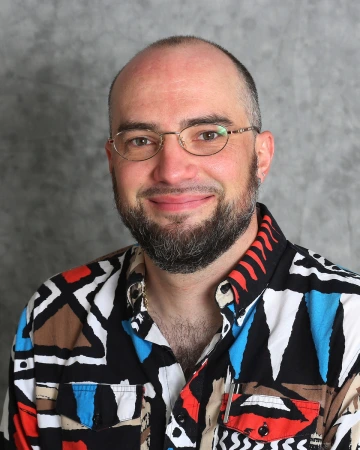
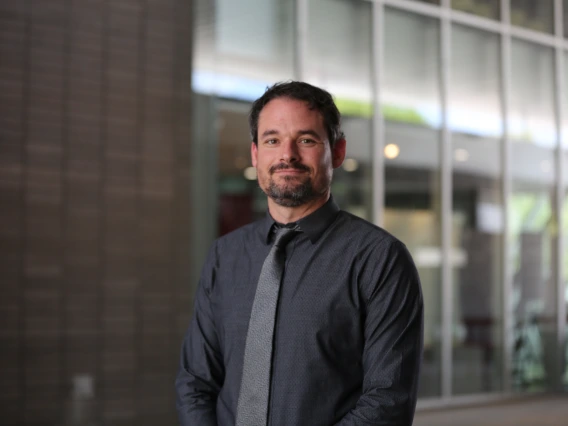
Author Gregory McNamee

As an author tasked with writing a book on the history of the University of Arizona, Gregory McNamee thought back to his own undergraduate years half a century ago.

Pursuing a major in classics, McNamee was drawn to the Greeks, to people whose ideas lived on, casting influence over the centuries since. So, when he was researching and writing The University of Arizona: A History in 100 Stories, he focused on the same essentials: people, ideas and influence.

“I wanted to be sure to make this book a combination of stories about the institution and the institutions within the institution, but thinking about people, and leading off with the idea that these people are the ones who make the university,” McNamee said.

Image
The University of Arizona: A History in 100 Stories book cover

The book, published in October by the University of Arizona Press, uses the 100 individual stories to paint a full picture of the university’s staggering evolution over almost 140 years, from a small land-grant institution to an internationally renowned research institution. About half of the stories center on the sciences, McNamee said, but the influence of the humanities and arts is clear throughout.

“One of the themes I tried to bring out in the book is how important interdisciplinary work has been, forever. Where that was a new idea at other institutions, at the university, scientists have always collaborated with humanities people,” he said.

McNamee started his undergraduate career as a government major, then changed to anthropology, then traced much of what he was learning back in time to its original sources and ultimately settled on classics. He earned his B.A. in 1978.

“Once I got over to the humanities side of things, that was really the foundation of a literary education that I hadn’t had much of before. I was reading deeply into the ancient authors, surrounded by very, very smart people who were excited to talk about all the ideas humanities represent,” he said. “That propelled me into the thinking that whatever I was going to do in the world, it was going to involve thinking about what it means to be human and how to be a better one. Some of the most memorable teachers I encountered were the ones who were teaching the humanities, and all of them figure in the book.”

As far as his own teachers, McNamee cited the late Richard Jensen, who served as Head of the Department of Classics in the 1970s, and the late Donna Swaim, who is featured in the book with a chapter titled “Donna Swaim and the Power of the Humanities.”

“Donna Swaim helped build the College of Humanities into a powerhouse, ranked 10th among public universities in the nation in 2021,” McNamee writes, listing numerous faculty members and college leaders responsible for the College of Humanities’ continuing excellence: Robert A. Burns, Richard P. Kinkade, Annette Kolodny, Karen Seat and Alain-Philippe Durand, currently serving as Dorrance Dean of the College of Humanities.

“The humanities, in the 50 years I’ve been here, have grown in importance, influence and certainly in number,” McNamee said.

Swaim is mentioned in the book’s dedication section as well, a testament to the broad impact she had on students. Swaim’s reputation at the university boiled down to an endless chain of recommendations, from student to student: “No matter what you do, don’t leave the university without taking a class with Donna Swaim,” McNamee said.

“Many, many professors are admired by their students, many are influential, many are liked and respected, but very few are loved. Donna Swaim was truly loved by her students. She was a living ambassador for the humanities.”

The book also includes a chapter on success and influence of the UA Poetry Center: “If a distinguished poet has drawn breath at any time after 1960, the chances are very good that poet has given a reading at the University of Arizona Poetry Center,” he writes.

The University of Arizona: A History in 100 Stories is the latest in McNamee’s long career as a writer. He is  the author or editor of more than 45 books and author of more than 10,000 periodical pieces. He has also been a traveling speaker for AZ Humanities for more than 30 years.

Campus Kimchi Master Event Featured Cook-Off, Scholarships and More

Oct. 15, 2024
Image
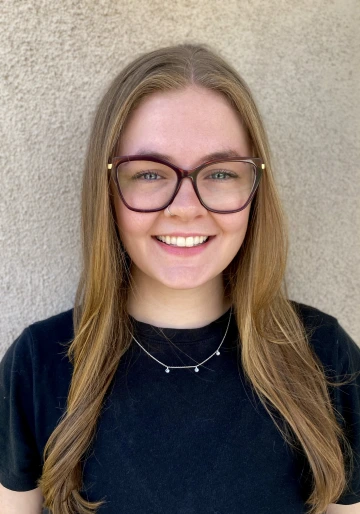
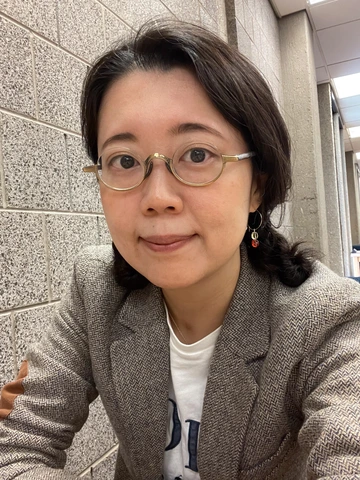
Lily Jones won first place in the Campus Kimchi Masters scholarship contest.

Kimchi took center stage at the Bear Down Building on Sept. 26. 

The finale cook-off event for the “Campus Kimchi Masters” scholarship contest brought out students, faculty and staff to observe the culmination of the month-long collaboration between the Department of East Asian Studies, the Center for East Asian Studies and the Korea Agro-Fisheries Food & Trade Corporation (aT Center Los Angeles). Contest winners received scholarships totaling $3,000. 

In the weeks leading up to the main event, U of A students, staff, and faculty entered recipes featuring Korean kimchi—ranging from familiar to reimagined dishes—for a chance to be selected as a finalist to compete in the cook off at the main campus event.

This unique, hands-on cross-cultural exploration of K-Culture was covered by a local journalist in a feature story for the Tucson Sentinel.

The eight finalists were:

Arianne Law – Junior, Operations and Supply Chain Management & East Asian Studies
Ariel Heinrich – Junior, Microbiology, with Minors in East Asian Studies & Molecular and Cellular Biology
Hyunjin Yang – Junior, Exchange Student from Seoul National University, Sociology
Lily Nicole Jones – Junior, East Asian Studies & Religious Studies
Meagan Rausch – Freshman, Political Science & East Asian Studies
Seina Okamoto – Junior, International Student from Japan, Linguistics 
Shu-Chien Yang – Graduate Student, East Asian Studies
Syriana Coronado – Freshman, Neuroscience and Cognitive Science & Molecular and Cellular Biology

The main event featured special talks by Dr. Wooje Lee from the World Institute of Kimchi, James Beard Award semifinalist Chef Ji Hye Kim and Chef Richard Park, as well as performances from U of A’s very own K-Pop dance team, UnderSkore.

During the highlight of the event—the cook off—the eight finalists whipped up their best kimchi recipes for a panel of judges that included Min Ho Kim, President of aT Center Los Angeles, our event speakers, Dr. Lee, Chef Kim, and Chef Park, and East Asian Studies Professors Sojung Chun, Sandra Park, Jieun Ryu, Joshua Schlachet and Sunyoung Yang.

The first-place scholarship of $1,500 went to Lily Jones. The second-place scholarship of $1,000 went to Syriana Coronado. And the third-place scholarship of $500 went to Arianne Law


A New Equation: Health = Humanities

Oct. 3, 2024
Image
Health Humanities Hub

The College of Humanities is launching a new initiative to explore and build collaborations at the intersections of health and humanities.

Thanks to strong connections with the College of Medicine – Tucson, the Health Humanities Hub is anchored on the third floor of the new Andrew Weil Center for Integrative Medicine building.

“The Health Humanities Hub will unite international humanities scholars, students, medical professionals, community partners and wellness practitioners to explore the zone of discovery where medicine and the humanities overlap,” said Dr. Alain-Philippe Durand, Dorrance Dean of the College of Humanities.

Overall, the Health Humanities Hub will promote the principle that “humanities equals health,” Durand said.

“In plain language, this means never forgetting that humans exist at the center of every healthcare visit, every piece of health-related legislation and every one of the countless decisions made daily by individuals and communities about wellness, illness, disability, healing and mortality,” said Christine Hoekenga, founding coordinator of the Health Humanities Hub.

“Language, culture, religion, social context and personal and collective history all inform our approaches to health and wellness,” she said. “The humanities have so much to offer in this realm. The foundational skills of humanistic inquiry – critical thinking, careful observation, empathy, intercultural competence, creative expression, adaptability, collaboration and communication – are the very skills needed to improve the practice of healthcare for both patients and providers.”

Dr. Michael M.I. Abecassis, Humberto and Czarina Lopez Endowed Dean of the College of Medicine – Tucson, said the importance of humanities to health can be described by a quote from Sir William Osler, the father of modern medicine: “a good physician treats the disease; a great physician treats the patient who has the disease.”

“I think that implied in this quote is the fact that a patient may come from a certain background where culture, language, beliefs, religion, family, community and a number of other elements become essential components of how the disease and what needs to be done about the disease is communicated, and how the patient will accept and respond to the treatment plan,” Abecassis said. “And this is where the humanities can help a physician become a great physician, beginning with their training and continuing along the spectrum of their practice over time.”

Indeed, Hoekenga said, health professionals and caregivers are increasingly returning to these truths with fresh focus on concepts like health disparities and health equity, patient-centered care, social determinants of health and culturally-competent care.

Existing health- and medicine-related activities within the College of Humanities include faculty research on religion and health, multilingual translation and interpretation in a wide variety of public health and medical contexts, disability studies related to health and wellness, and cultural impacts on medicine and health.

At the undergraduate level, the college has majors in Religious Studies for Health Professionals and two emphases in Applied Humanities, Public Health and Medicine. Growing internship programs offer students real-world experience to complement their coursework. The Department of Spanish and Portuguese teaches translation and interpretation courses with a focus on health and has partnerships with Health Sciences to teach first- and second-year medical Spanish to pharmacy students and develop courses for the upcoming Physician Assistant Program.

Dr. Weil and his pioneering namesake center advocate for healthcare that attends to the whole person, including mind, body and spirit. The seven domains of integrative medicine (environment, movement, nutrition, relationships, resilience, sleep and spirituality) reflect the complexity of the human condition. They both represent the future of healthcare in the U.S. and hearken back to healing traditions from around the world.

“As I get to know the College of Humanities, I’m finding new pockets of innovative health-related scholarship, teaching and outreach every day. Likewise, I’m learning about exciting programs in the health sciences and across the university. The possibilities for improving health and the human condition through collaboration are quite literally endless,” Hoekenga said.

Poetry Center Director to Receive Friend of the Humanities Award

Oct. 2, 2024
Image
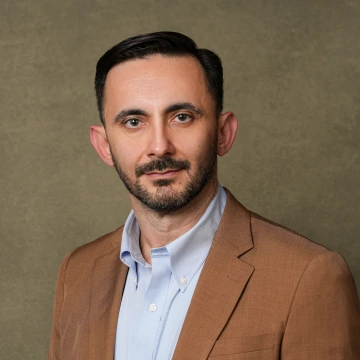
Tyler Meier

Tyler Meier, executive director of the University of Arizona Poetry Center, will receive the 2024 Friend of the Humanities Award from Arizona Humanities.

The award recognizes Meier for promoting the humanities throughout his 11 years at the Poetry Center, with Arizona Humanities citing the Art for Justice grants program, which commissions work from writers exploring mass incarceration and supports the work of incarcerated writers, and the Climate Change + Poetry series, which highlighted the role of poetry in the planet's climate future. The award will be presented at the Hands-on-Humanities Awards ceremony on Oct. 5.

“Through this award AZ Humanities is honoring Tyler’s exceptional leadership of the UA Poetry Center. With the Poetry Center’s extremely creative and hard-working staff, Tyler has kept poetry at the forefront in addressing some of the most difficult questions of our time, humanities concerns that affect us all,” said Gail Browne, who was the Poetry Center Executive Director from 2002 to 2013 and submitted the nomination.

Alain-Philippe Durand, Dorrance Dean of the College of Humanities, lauded Meier for “actively and tirelessly promoting understanding and appreciation of the humanities in the community.”

“Mr. Meier’s entrepreneurial spirit, passion and kind determination are contagious and he succeeds in motivating his staff and board in following him in proposing new, innovative, events, programs, and development campaigns,” he said. “He is indeed making a lasting contribution to the cultural life of Arizona communities.”

Q: How does the Poetry Center contribute to the cultural life of Southern Arizona communities? 

“The fact that the Poetry Center exists at all is a testament to Southern Arizona, and to the people who make their lives here. It’s a joy to work every day with my colleagues imagining ways we can both honor the magnificence of poetry as an art form and connect poetry to the everyday experiences of our community, in all the nuance and complexity of those experiences. Wallace Stevens said that poetry is a preserve for the imagination—a place where our imaginations can flourish. By that logic, I like to think of the Poetry Center as a kind of national park for the imagination—a place where we can let our imaginations roam wild and free. There are very few places like it in the world.”

Q: In terms of promoting the humanities, what can be accomplished through specific programs, like the Art for Justice grants and the Climate Change + Poetry series? 

"Culturally, we turn to poetry during moments of great significance in our lives. We use the power of the art form to give us the best language we can have at that moment. I think we often recognize in the poet’s voice our own experiences of joy, or of loss, or hope, etc. It’s a communal connection that requires being in relationship, and at its core, I think this is what the humanities are all about. 

“Poetry also can respond quickly to the substance of our lives—it is one of our most flexible art forms. It can be a powerful voice for issues of social concern, and it can remind us of the stakes. One aspect of justice, I think, is seeking to return to a right relationship. Poetry can help us get into right relationship with the grief and trauma that often accompanies the truth, and it can empower us to think in new ways about the agency we have. I believe deeply that art is site where this part of justice—of returning to right relationship—is possible. I think poets are essential to the solutions for our most vexing challenges.”

Q: In what ways can poetry create a sense of belonging in our communities?

"We have been thinking a lot about belonging at the Poetry Center, and are launching the Belonging Initiative as one of our next flagship efforts. Our interest is manifold, but it stems from the underlying understanding that a major cultural deficit in contemporary American life is belonging. That understanding is further supported by social science research and even an advisory from the Surgeon General on the public health impacts of loneliness. The building blocks of belonging are embedded in what poetry does best—allowing us to look deeply into ourselves while showing us simultaneously how we are connected to others, often through the spectrum of a human register of emotions: grief, hope, joy, pain and more. What connects us to the things that matter in our lives? We think poetry has a lot to say in helping us build the capacity for belonging and we’re excited to explore answers in innovative new ways." 

COH 2024 Young Professional Achievement Award: Thomas Noth

Oct. 2, 2024
Image
Thomas Noth

Majoring in German Studies not only brought Thomas Noth closer connections to his family, but like so many other humanities graduates, he found that exploring personal passions has yielded unexpected benefits throughout his professional life as well.

Noth, who graduated with a double major in German Studies and Psychology in 2018, and continued to earn a master’s degree in Counseling in 2020, is the College of Humanities 2024 Young Professional Achievement Award recipient.

Now a clinical supervisor for substance use services at MHC Healthcare in Marana, and founder and founder and primary therapist for BrighterView Counseling, LLC, Noth said that choosing the humanities made him a more well-rounded therapist and helped him connect with his patients better.

“When I look back at my experience with psychology, it was the degree that helped me get into my profession. German Studies was something on top of that and was a lot more fulfilling and meaningful, but it also added a lens to the world that maybe psychology by itself doesn't,” he said. “German Studies created an opportunity for me to really focus on that compassionate and empathetic side of health care.”

When he first started at the University of Arizona, Noth first took Spanish for his language requirement, before deciding to switch to German. Developing a more adult relationship with his grandparents made him more curious about their journeys as two immigrants from Germany who met at church in Buffalo.

“I was wanting to look through photo albums. I was wanting to look at old slideshows, learning about and getting connected with my family that currently lived in Germany,” he said. “I got to a tipping point where I wanted to be closer with that part of my family and honor and respect my grandparents and make sure that I understood what they had to go through to get here. It was special for me to learn their language and it opened my eyes to so much.”

Loving his German classes, Noth went beyond his initial plan for a minor and declared a double major. Learning as much as he could about German language and culture added another layer to his college experience, giving balance to his busy schedule of marching band, internships and psychology courses.

He remained focused on his career goals, but found he got there in a better way through German Studies, through the program’s personal touch, but also through honing his critical thinking skills and developing a more big-picture view about people’s experiences.

“I think humanities and health go together because without that human aspect, we're not able to really focus on treating the full person,” he said. “We want to be able to focus on an integrated care approach. If you're not really focused on the person and their background, their culture, their identity, the language that they speak, and how they interpret the care that you're trying to provide, it doesn't resonate as much.”

Now, as a therapist as well as a supervisor, he understands the significance that language, nationality and culture have on health disparities and how those elements must be considered in developing relationships with his patients.

“When I’m meeting with somebody one on one or in a group setting, I can do an assessment, I can diagnose, I can put all these labels and tags on people that are very big picture. But when you add that additional lens of more of that compassionate, empathetic side of health care, which I was able to gain an appreciation and understanding for through my humanities lens, it just allows me to be a much more well-rounded practitioner,” he said.

Berlin Returns to U of A as New CESL Director

Sept. 30, 2024
Image
CESL Director Larry Berlin

A career specializing in multilingual education unsurprisingly went multinational for Larry Berlin, but his new role brings him back to where he started.

Berlin earned his doctorate in Second Language Acquisition and Teaching from the University of Arizona in 2000, and while in the Ph.D. program, he also taught at the Center for English as a Second Language. And 24 years later, he’s now the director of CESL, taking over after Robert Côté retired.

Berlin returns to the U of A from Colombia, most recently, where he’s been Academic Director of Languages at EAFIT University. He’s also worked as an English Language Specialist for the U.S. Department of State in Dhaka, Bangladesh, and spent 17 years at Northeastern Illinois University in Chicago, where he was Professor of TESOL, English Language Program Coordinator, Director of International Programs, and Chair of the Department of Anthropology, Linguistics, Philosophy, and TESOL.

A language student as well as instructor, Berlin has studies Spanish, Danish, Italian, French, German, Swedish, Mandarin, Vietnamese and Russian. 

“The reality is when you’re learning a second language, you’re not going to get it perfect. It takes a long time. For me, I tend to approach the languages I’ve learned best just by talking, even if the grammar isn’t right. People will correct you. It’s part of the communication process and the nature of how we engage with one another. We have to be willing to make mistakes,” he said. 

Q: What sets CESL apart as a leading center in language education for more than 50 years?

"The comment I hear most is about the amazing teachers we have and the supportive structure they’re creating for their students. Everyone can succeed here. Our teachers have years of experience and expertise in the classroom and presenting through multiple modalities and they’ve honed their skills to perfection. Students can see our teachers’ commitment to their learning and that’s what makes them so effective. That’s why we’ve existed for 50 plus years and why we’ll continue for the next 50."

Q: How does language learning open more opportunities for students and graduates?

"In a very practical sense, we’ve seen an increase over the years of bilingualism being something that’s a minimum requirement for many jobs. The reality is, if you’re not studying a second language, lots of doors are going to be closed off to you. The type of access to information that comes through learning a second language, and processing it through culture, is not matched in any way, certainly not through an app, without going through that process yourself." 

Q: What’s the importance of multilingualism and multilingual education in the 21st century?

"Having access to at least one other language, if not more, can only open up more possibilities for you. It’s essential for being engaged in this world and being open to new possibilities. Back in the 1990s and early 2000s, different studies suggested an increased elasticity and the potential for greater mind capacity in bilinguals and multilinguals. The ability to speak different languages and develop different perspectives beyond your own culture’s regarding the human condition enhances empathy and flexibility in 21st century skills, such as critical thinking and intercultural communication. Additionally, studies in reversing language shift profess that preserving endangered languages and access to those languages can prevent a loss of human knowledge." 

Q: What role has the humanities played in your career?

"It’s difficult to say what the role of the humanities has been in my career, not just because of the breadth of the question, but because I don’t think we realize it on a daily basis. I have always considered myself an educator first and focused most of my work on social sciences and education. But it was through the people in the humanities that I got my core foundation, not just as an educator, but in life, because I really see the two tied together. Studying for my SLAT Ph.D. helped me to develop and solidify my philosophy about teaching and learning. I want to share and listen to ideas, instead of imposing them on people. I have taken this same humanistic approach to leadership and administration in education. Everybody has a voice and everybody has a perspective." 

Prof. Classen Honored as Highly Ranked Scholar

Sept. 17, 2024
Image
Albrecht Classen, University Distinguished Professor in the Department of German Studies

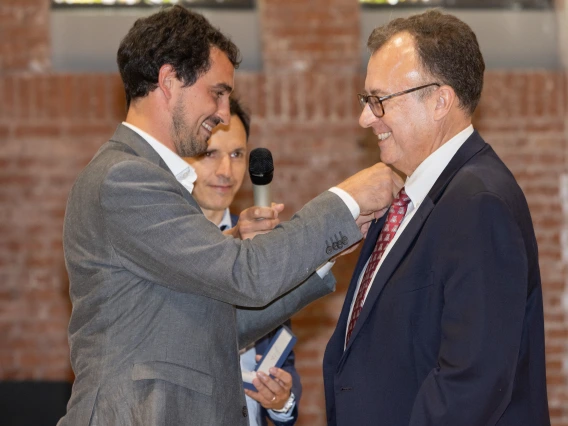
Albrecht Classen, University Distinguished Professor in the Department of German Studies, has been named an inaugural Highly Ranked Scholar - Lifetime by ScholarGPS.

In the specialty of modern history, Classen is ranked fifth in the world and just second in the United States and honored for “exceptional productivity, noteworthy impact and quality of scholarly work.”

ScholarGPS analyzes scholarly activity, producing rankings based on a “continually updated, fully indexed compilation of metadata corresponding to over 200 million archival publications.” Highly Ranked Scholars are recognized for being in the top 0.05% of scholars in their specialties worldwide.

Classen, who began his career at the University of Arizona in 1987, specializes in German and European medieval and early modern literature and culture. He has published 132 books, 810 scholarly articles, 402 lexicon and encyclopedia entries and about 2,920 book reviews. He has won several prestigious teaching awards, most recently the Five Star Faculty Award (2009) and the Carnegie Foundation for the Advancement of Teaching 2012 Arizona Professor of the Year Award. He was knighted as Grand Knight Commander of the Most Noble Order of the Three Lions in 2017.


East Asian Studies Hosting Kimchi Contest

Sept. 13, 2024
Image
Award-winning chef Ji Hye Kim will give a presentation at the kimchi contest finale.

Are you a campus kimchi master? The Department of East Asian Studies, the Center for East Asian Studies, and the Korea Agro-Fisheries & Food Trade Corporation Los Angeles (aT Center LA) are hosting a kimchi contest. Open to all University of Arizona students, faculty and staff, the contest offers a chance to showcase culinary creativity and love for Korean cuisine.

The contest will kick off with a first-round online competition via social media, followed by a virtual quiz show to determine eight finalists, who will compete in a cook-off at the Bear Down Building on Sept. 26. Winners of the scholarships, with the top prize being the Kimchi Scholarship of $1,500.

The final event will feature a variety of activities for participants and spectators alike, including Korean food product giveaways, a K-Food photo zone and product exhibitions. Additionally, there will be a special Kimchi conference presented by experts from the World Institute of Kimchi, along with a presentation by Ji Hye Kim, the award-winning chef and owner of Miss Kim in Ann Arbor, MI, who was named one of Food & Wine’s Best New Chefs of 2021 and is a four-time James Beard Award semifinalist. The event will also include a K-Pop dance performance and much more.

To participate:

  1. Register here to get your kimchi.
  2. Pick up your kimchi at the Learning Services Building, Room 102.
  3. Share your recipe using kimchi on social media from Aug. 27 to Sept. 18. Use the hashtags #campuskimchimasters #UofAkimchimasters #arizonakimchimasters.
  4. Join our Kimchi Live Quiz Show on Zoom (Sept. 18 at 6:30 p.m.). Win Weee! gift cards, Korean food boxes, and more! The finalists will be announced for the Kimchi cook-off event at the end.
  5. Finalists will compete in a cook-off at the Bear Down Building on Sept. 26, from 11 a.m. –  1 p.m.

Portuguese Flagship Program Created with $1.2M Grant

Sept. 4, 2024
Image
Study Abroad students hiking to Pedra Furada in Brazil's Jericoacoara National Park.

Study Abroad students hiking to Pedra Furada in Brazil's Jericoacoara National Park.

The University of Arizona has been awarded a four-year federal grant to establish a Portuguese Flagship Program, with new resources available to advance students’ language skills and career opportunities, including a capstone year in Brazil.

The $1.2 million grant is part of the Language Flagship programs, a public/private partnership sponsored by the National Security Education Program of the Department of Defense and administered by the Institute of International Education. The program seeks to graduate students with professional-level proficiency in a language critical to U.S. national security, including Portuguese.

The program expects to enroll about 15 to 20 students annually, with the Flagship grant providing a myriad of resources to students studying Portuguese, including one-to-one advising and tutoring, career counseling with local professionals, summer study abroad opportunities in Salvador, the capital of Bahia in northeastern Brazil, and a capstone year in Brazil for additional classes and internships. After successfully meeting the program benchmarks, students receive a Flagship certificate.

“That’s what makes the difference on the job market. The students will have a document from the federal government that says they’re professionally proficient in Portuguese,” said Kátia Bezerra, Professor in the Department of Spanish and Portuguese and program director.

“Portuguese Flagship students will not only master the language and deepen their cultural insights but have the opportunity to immerse themselves in a Brazilian-language environment during the transformative capstone experience. In an increasingly competitive global economy, these skills are a must and often result in higher salaries.”

The U of A is one of two institutions awarded a Portuguese Flagship grant, joining the University of Georgia, and was also awarded a renewal grant for Arabic, making it one of four universities nationally with at least two flagship programs. In total, the 2024-2028 cycle awarded 19 grants to Language Flagship programs in six languages: Arabic, Chinese, Korean, Persian, Portuguese and Russian.

The U of A has nearly 50-year history teaching Portuguese, with a multidisciplinary curriculum that has attracted 1,551 students into Portuguese language and culture courses over the last five years. The basic language track has options for students with or without Spanish language skills, but the majority of students enrolled in Portuguese also speak Spanish as their first, heritage, or second language. With the U of A’s designation as a Hispanic Serving Institution, that pathway for Spanish-speaking students to add or transition to Portuguese is key, Bezerra said.

“The Portuguese program offers a strong foundation upon which Flagship students can thrive and succeed. It is a well-established, student-centered, outcomes-based, proficiency-focused, and innovation-friendly program with a track record of producing culturally knowledgeable and linguistically proficient U.S. citizens,” she said.

The faculty regularly update the Portuguese curriculum with new courses that extend beyond language and linguistics to cover literature, cultural studies, environment and business. The Flagship grant will also enable expansion of the Portuguese program. Antonio José Bacelar da Silva, Associate Professor of Brazil Studies and Linguistic Anthropology, is associate director of the Flagship program.

“The immersive and transdisciplinary Portuguese program at the University of Arizona shows a tremendous capacity to excite, educate and professionalize a wide range of students interested in Portuguese language and culture,” Bezerra said. “The Flagship Program will quickly prepare students linguistically and culturally, thus making them more agile, thoughtful and committed citizens of the world.”

With a population of more than 200 million, Brazil is the world’s seventh most populous country, while also being among the most ethnically diverse nations. Annual trade between the United States and Brazil, the second most populous country in the Americas, tops $120 billion.

“This investment can result in a relatively rapid and measurable increase in the national pool of proficient Portuguese-speaking U.S. citizens,” Bezerra said. “Expanding the number of opportunities for students to engage in speaking, listening, reading and writing in Portuguese, both inside and outside the classroom, is crucial for achieving this goal.”

COH Successes Highlighted in National Humanities Alliance Report

Sept. 3, 2024
Image
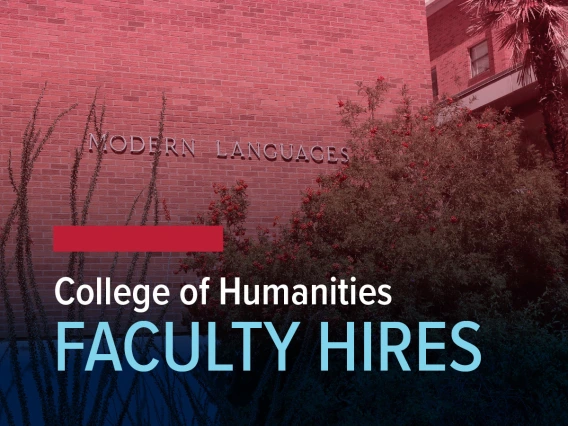
COH Faculty Hires, Modern Languages Bldg.

The College of Humanities at the University of Arizona has achieved steady growth and attracted a diverse student population by investing in inclusive recruitment strategies and innovative curricula, according to a new report.

The National Humanities Alliance report, “Expanding Access to Undergraduate Humanities Education: Models and Strategies,” released in June, features 15 case studies that relate how faculty and administrators built initiatives that have succeeded in overcoming the barriers and expanding access to humanities programs, especially among underrepresented student populations.

“In a decade when many humanities divisions have experienced decline, the College of Humanities (COH) at the University of Arizona has grown at an impressive rate,” the report found, growing from 1,089 majors in 2010 to 1,972 majors in 2021, an increase of 81 percent compared to an overall increase in the student body of 15 percent.

Overall, the report lauded the college’s broader strategic vision that led the college to make such substantial investments in curricular innovation and marketing and to build recruitment into its management structure, which has helped it to attract a large number of students from historically underrepresented groups.

The report quoted COH Associate Dean of Research & Program Innovation Ken McAllister about initiatives to promote innovation, outreach and inclusion:


“From the creation of exciting new degrees and research centers to taking out billboards on major highways promoting the idea that ‘Humanities = Jobs,’ we all work constantly not only to grow the number of humanities majors, but also to ensure that the diversity of our college—its faculty, students, and program offerings—continues to expand,” he said.